
Commercial insulation
Insulation planned around your project and your building.
For contractors, property owners, facility managers, and developers who need insulation work that fits the building’s use, the specifications, and the construction schedule.
- New construction
- Remodels
- Mechanical insulation
Commercial considerations
What insulation needs to do in a commercial building.
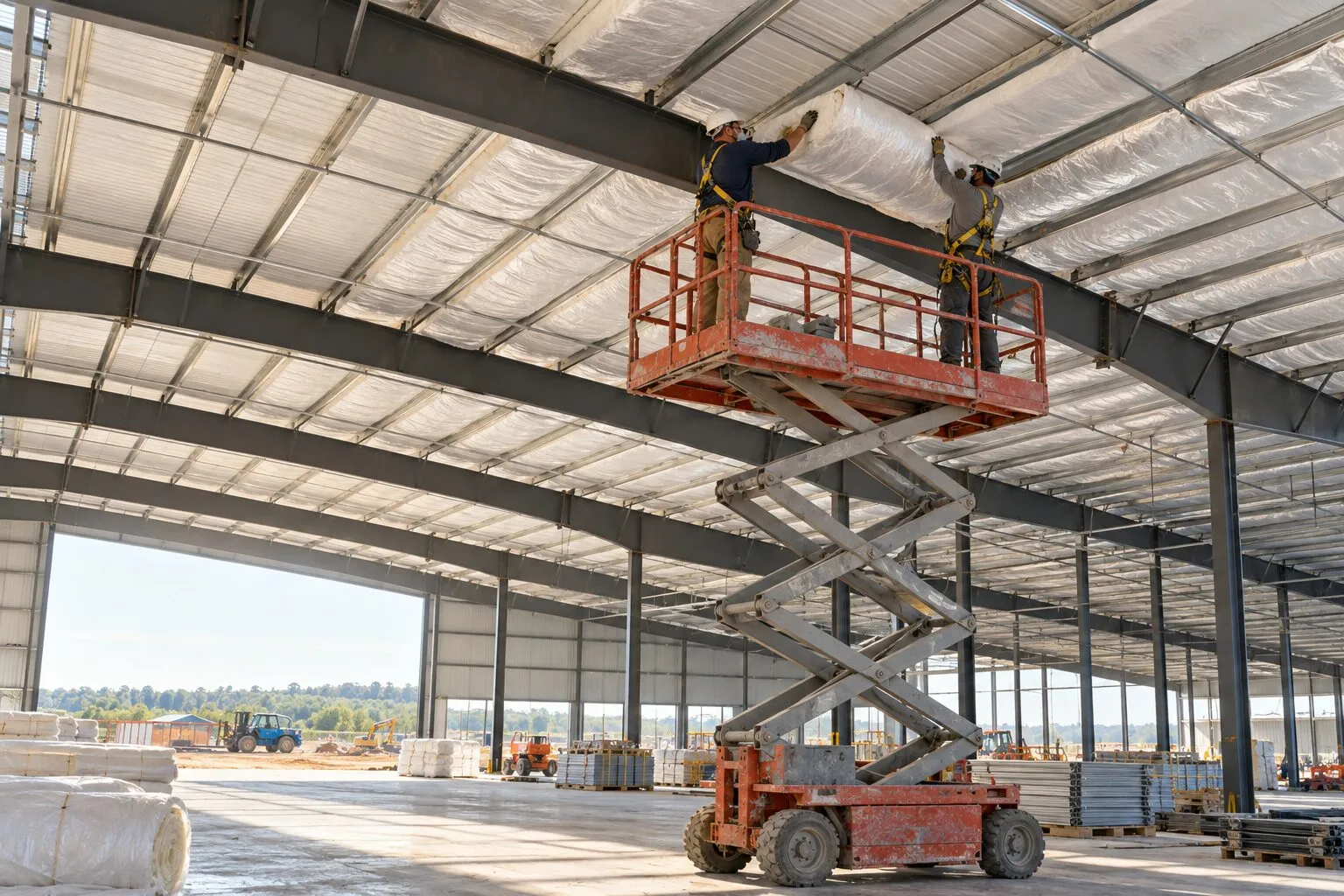
Commercial spaces bring larger roof and wall areas, varied construction types, and occupants or operations that depend on stable conditions.
The right approach depends on the structure, how the space will be used, and whether the work happens during construction or in an existing building.
Thermal performance
Slowing heat gain and loss through roofs and walls, where large surface areas add up quickly.
Occupant comfort
More consistent conditions for employees, tenants, and customers across the building.
Energy efficiency
Less heat moving through the envelope can reduce the load on heating and cooling systems.
New construction and remodels
Work installed during construction, or in an existing building that is being remodeled.
Mechanical insulation
Beyond the walls and roof, Omni also insulates mechanical systems. The systems and scope are confirmed for each project.
Project types
Where commercial insulation work often applies.
Commercial projects vary widely. These are common settings where insulation is part of the plan.
Commercial buildings
Offices, retail, and mixed-use buildings where comfort and operating costs matter to owners and tenants.
Warehouses and light industrial
Large open spaces where roof and wall areas have a major effect on interior conditions.
Metal buildings
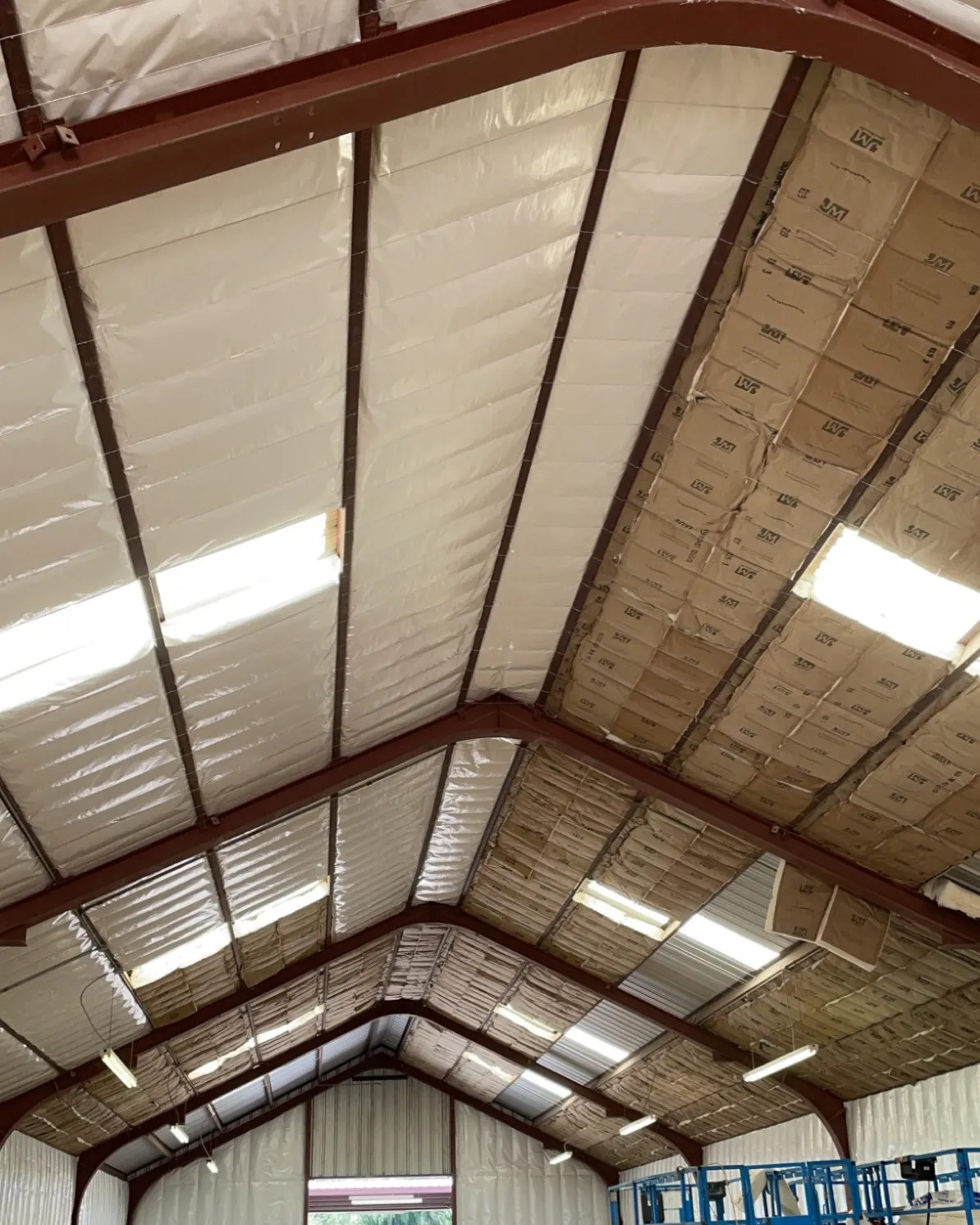
Steel-framed structures whose roofs and walls respond quickly to sun and outdoor temperatures.
Tenant improvements
Interior build-outs and space changes for new or existing tenants.
Remodels and retrofits
Existing buildings being updated, repurposed, or improved for comfort and efficiency.
New construction
Insulation planned as part of the building schedule from the start.
These categories describe where commercial insulation is commonly used. Omni will confirm whether a specific project, building type, and insulation method are a fit.
Working with project teams
Insulation that fits the rest of the job.
On a commercial project, insulation rarely happens on its own. It often follows framing, mechanical, and electrical work and comes before finishes, so timing and site access matter.
Omni aims to communicate clearly with the people responsible for the project, from the first conversation through completion.
Who we talk with
- General contractors
- Property owners
- Facility managers
- Developers
- Project managers
Residential projects
Looking for insulation for a home?
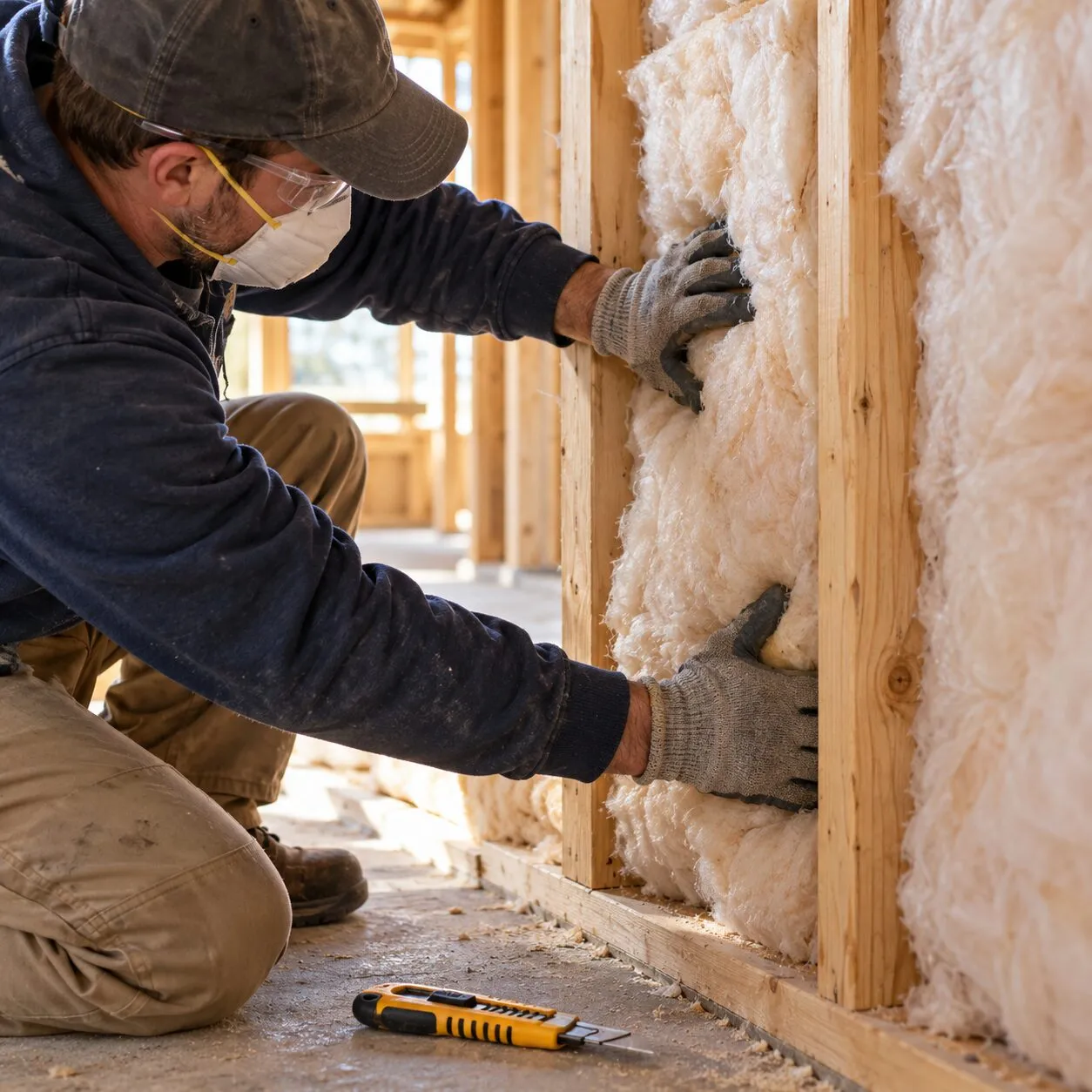
Omni also works with homeowners and home builders on existing homes, additions, and new construction.
Explore residential insulation
Commercial estimates
Tell us about your project.
Share the building, the scope you have in mind, and your timeline. Omni will follow up to review the project and discuss an estimate.
Need a rough range first? Try the online estimateContact Omni Insulation
- Contact
- Pedro RiveroEstimator
- Phone
- (505) 804-4559
- Service area
- Based in Albuquerque, serving customers throughout New Mexico.